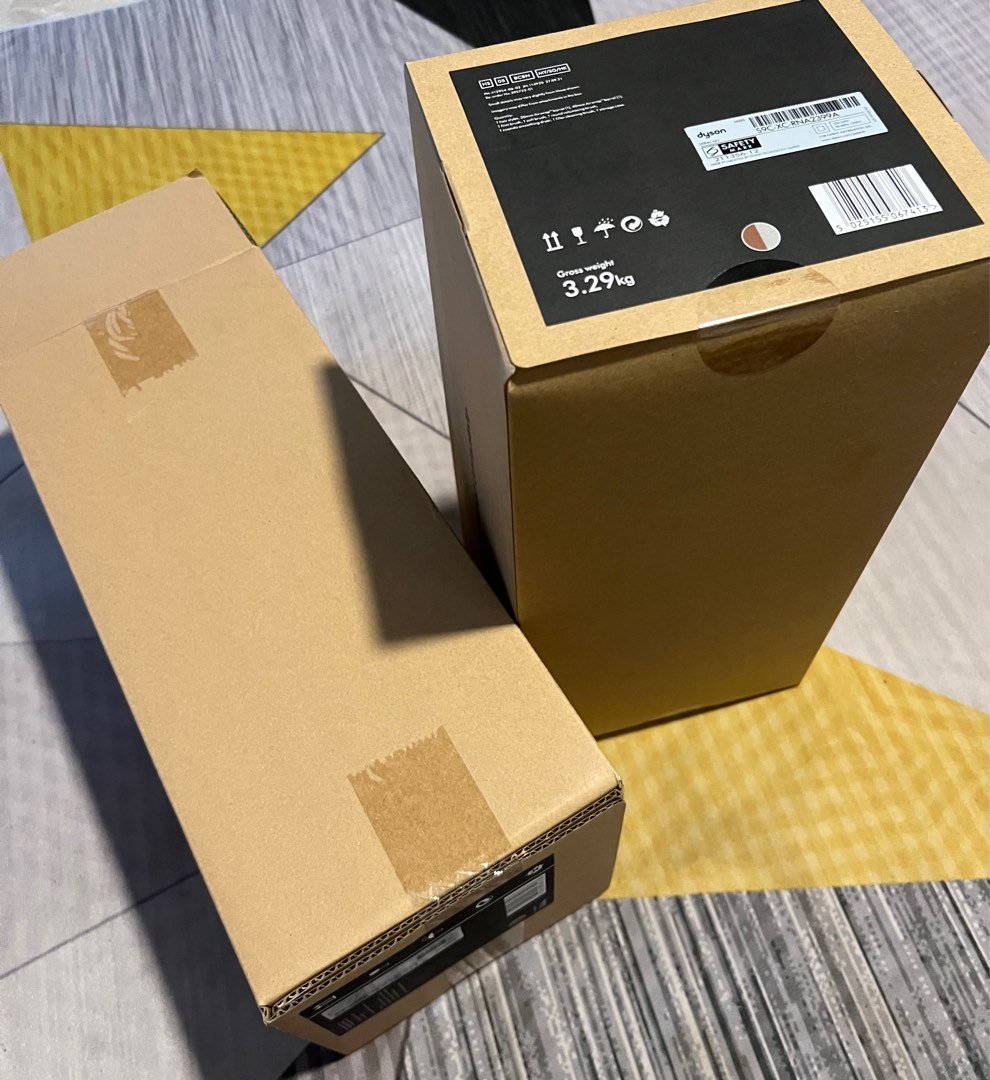
Investing in a high-end beauty tool like the Dyson Airwrap is a significant decision. You're not just buying a hair styler; you're often investing in healthier hair, streamlined routines, and salon-quality results at home. But like any premium investment, its true value hinges on its ability to perform consistently over time. The big questions for many savvy buyers, and perhaps for you too, revolve around Dyson Airwrap Longevity, Warranty, and Maintenance. How long will it truly last? What protections does Dyson offer? And what can you do to ensure it remains a workhorse, not a dust collector?
This isn't just about preserving your investment; it's about safeguarding your hair health and daily routine. From common user concerns about breakdowns to the simple yet crucial steps that keep your Airwrap humming, we're diving deep into what it takes to ensure your beloved styler stands the test of time.
At a Glance: Keeping Your Airwrap Performing Its Best
- Longevity is in Your Hands: While premium-built, the Airwrap's lifespan is significantly extended by consistent, correct maintenance.
- Two-Year Warranty: Dyson typically offers a two-year limited warranty covering parts, labor, and shipping for defects. Keep your proof of purchase.
- Filter is King: Regular filter cleaning is the single most critical maintenance task to prevent motor failure, overheating, and performance issues.
- Attachments Need Love Too: Clean styling barrels and brushes to maintain airflow and prevent product buildup.
- Learn the Basics: Understanding how your Airwrap works and its common quirks can prevent unnecessary service calls.
- It's a Worthy Investment: With proper care, the Airwrap's initial cost is justified by its long-term benefits for hair health and styling versatility.
The Long Game: Why Longevity Matters for Your Airwrap Investment
Let's be frank: the Dyson Airwrap isn't a casual purchase. Its premium price tag places it squarely in the "significant investment" category for most households. When you're dropping a substantial amount on a hair tool, you're not just hoping it works; you're expecting it to deliver consistent results for years to come. This is especially true for those, like the Reddit user, considering it as a tool to actively reduce hair damage from traditional heat styling. If you plan to use it 1-2 times a week, as many do, you want each session to be as effective and damage-free as the first.
The core promise of the Airwrap — achieving salon-quality styles with air, not extreme heat — fundamentally ties into long-term hair health. It's designed to minimize damage, reduce frizz, and create smoother, shinier results. But what good is that promise if the tool itself gives up the ghost prematurely? Reports of occasional durability issues can understandably cause apprehension. This article is your guide to navigating those concerns, understanding Dyson's support structure, and, most importantly, empowering you with the knowledge to actively extend your Airwrap's life.
Understanding the Airwrap's Inner Workings (Briefly)
To truly appreciate why maintenance is so critical, a quick peek under the hood helps. The Airwrap's genius lies in its V9 digital motor, which spins at up to 110,000 rpm, generating the high-pressure air that creates the Coanda effect. This phenomenon allows the styler to attract and wrap hair around the barrel or propel air through brushes without extreme heat.
Unlike traditional curling irons or straighteners that rely on direct heat plates, the Airwrap’s primary wear components are related to its powerful airflow system: the motor itself, and the filters that protect it. While attachments like barrels and brushes are robust, they can accumulate hair and product residue, impeding the precisely engineered airflow. Understanding that air is the core of its operation immediately highlights why clear pathways for that air are paramount for both performance and motor longevity. Blockages, no matter how small, force the motor to work harder, generating more heat and leading to potential strain and premature wear.
The Safety Net: Dyson Airwrap Warranty Explained
Even with the best intentions for maintenance, sometimes things go wrong. That's where Dyson's warranty steps in as your critical safety net. Understanding its scope and limitations is key to protecting your investment.
The Standard Coverage
Dyson typically offers a two-year limited warranty on its Airwrap stylers. This warranty generally covers:
- Parts: Any faulty components within the styler.
- Labor: The cost of repairing or replacing the unit.
- Shipping: Often, Dyson will cover the shipping costs for sending your unit in for service or providing a replacement.
This coverage is specifically for defects in materials and workmanship, meaning if the product fails due to a manufacturing flaw within this period, Dyson will address it.
Proof of Purchase: Your Most Important Document
Always, always, always keep your proof of purchase. This could be a receipt, an order confirmation email, or a bank statement showing the transaction. Dyson will almost certainly ask for this to verify your warranty eligibility. It's also wise to register your product on the Dyson website shortly after purchase; this often streamlines the warranty claim process.
What Voids Your Warranty: Pitfalls to Avoid
Not all issues are covered. Here are common actions or situations that can void your Dyson Airwrap warranty:
- Misuse or Abuse: Damage caused by dropping the unit, using it in ways it wasn't intended (e.g., as a hair dryer without attachments), or attempting to use it with incorrect voltage.
- Lack of Maintenance: This is a big one. Failure to regularly clean the filter, which directly impacts motor health, can sometimes be cited by Dyson as a reason to deny a claim, especially if it leads to motor burnout.
- Unauthorized Repairs: Attempting to open the unit or having it repaired by anyone other than an authorized Dyson service center will void the warranty.
- Normal Wear and Tear: Cosmetic damage (scratches), battery degradation (if applicable to future models, though current Airwraps are corded), or wear on attachments from regular use are typically not covered.
- Commercial Use: If you're using a personal Airwrap in a professional salon setting, it may not be covered under a standard consumer warranty.
Making a Claim: Steps to Take
If you suspect your Airwrap has a warranty-covered issue:
- Gather Information: Have your proof of purchase, product serial number (usually on the cord or main unit), and a clear description of the problem ready.
- Contact Dyson Support: Visit the Dyson website or call their customer service line. Explain the issue clearly and calmly.
- Troubleshooting: They will likely walk you through some basic troubleshooting steps first (e.g., clean the filter, try a different outlet). It's crucial to follow these steps carefully.
- Service Arrangement: If troubleshooting doesn't resolve it, Dyson will provide instructions for sending your unit in for repair or replacement. They'll typically send you a shipping label.
Beyond the Warranty: Options Post-Coverage
What happens if your Airwrap acts up after the two-year mark? While the cost responsibility shifts to you, Dyson often still offers repair services. You can contact them for a quote on out-of-warranty repairs. Sometimes, they may offer a refurbished replacement unit at a reduced cost. While it's an additional expense, it can still be more economical than buying a brand-new unit, especially if the issue is a common, fixable component. This is a key factor when deciding if the Airwrap is worth the investment in the long run.
The Lifeline: Essential Dyson Airwrap Maintenance for Peak Performance
This is where you, the owner, become the most important factor in your Airwrap's longevity. Think of maintenance not as a chore, but as an active partnership with your premium tool. Skipping these steps is the single biggest cause of premature issues and performance degradation.
Why Maintenance Isn't Optional
An Airwrap starved of proper care will eventually:
- Lose Suction/Airflow: Leading to weaker Coanda effect, less effective styling.
- Overheat: The motor working harder against blockages generates excessive heat, potentially leading to automatic shutdowns or permanent damage.
- Make Unusual Noises: A strained motor or blocked impeller can sound like it's struggling.
- Fail Prematurely: A motor that's constantly fighting debris will simply burn out faster.
- Perform Poorly: It won't deliver the smooth, shiny, fast results you paid for.
The Golden Rule: Cleaning the Filter
This cannot be stressed enough. The filter is the Airwrap's respiratory system. Just like you can't run a marathon with a blocked nose, your Airwrap can't run efficiently with a clogged filter.
- Why it's crucial: The filter prevents dust, hair, and product residue from entering the motor. When it's blocked, airflow is restricted, forcing the motor to overwork, overheat, and potentially fail. This is the number one reason Airwraps experience performance issues and even breakdowns.
- How often: Dyson recommends checking your filter regularly. A good rule of thumb for average use (1-2 times a week) is to clean it monthly. If you use styling products heavily, or have a pet, aim for bi-weekly. A visual check is best: if you can see debris, it's time to clean.
- Step-by-step cleaning guide:
- Unplug It: Always, always unplug your Airwrap from the power outlet before any maintenance.
- Twist & Pull: Hold the main body of the Airwrap firmly. Twist the filter cage (the bottom cylinder) counter-clockwise and pull it down gently to remove it.
- Brush It Off: Use the small filter cleaning brush provided with your Airwrap (don't lose it!). Gently brush away any dust, lint, and hair trapped in the mesh of the filter cage. You'll likely be surprised by how much comes out.
- Clean the Internal Mesh: Look into the main body of the Airwrap where the filter cage connects. There's an internal mesh that also collects debris. Use the brush to clean this area thoroughly.
- Reassemble: Once clean, align the filter cage with the main body and twist clockwise until it clicks securely into place.
- Optional (Deep Clean): If the filter is particularly grimy with product residue, Dyson's older models sometimes allowed for a gentle rinse of just the filter cage under cool water (ensure it's completely dry before reattaching). Check your specific model's manual; newer models or particular regions might advise against rinsing. When in doubt, stick to brushing.
You can find a detailed cleaning guide on our site for more in-depth visual steps.
Caring for Your Attachments
The various barrels, brushes, and pre-styling dryer attachment also require attention.
- Removing Hair: For the smoothing brushes and round volumizing brush, periodically remove trapped hair using your fingers, tweezers, or the end of a comb. Accumulated hair can block airflow and reduce effectiveness.
- Wipe Down: Use a soft, damp (not wet) cloth to wipe down all attachments regularly, especially the barrels and brushes where styling products can build up.
- Avoid Submerging: Never submerge your attachments in water, especially those with moving parts or electrical connections.
- Prevent Product Buildup: If you use a lot of mousse, hairspray, or other styling products, product residue can become sticky and difficult to remove. Wiping them down immediately after use helps.
The Main Unit Body & Cord Care
- Wipe Down: Use a soft, slightly damp cloth to wipe down the exterior of the main unit and the cord. Keep it free from dust and product overspray.
- Keep Vents Clear: Ensure the air intake vents (where the filter is) and exhaust vents are never blocked during use.
- Cord Care: The cord is robust but can be damaged by improper handling.
- Avoid Kinks: Don't tightly wrap the cord around the unit or twist it.
- Proper Wrapping: Gently coil the cord loosely after use.
- Avoid Strain: Don't yank the plug from the wall by the cord, and avoid using it near sharp edges that could fray the cord.
Troubleshooting Common Airwrap Hiccups (And When to Call for Help)
Even with diligent maintenance, you might encounter minor issues. Many can be resolved at home, saving you time and hassle.
- Loss of Power/Intermittent Operation:
- Check Power Source: Ensure the Airwrap is fully plugged into a working outlet. Try a different outlet.
- Reset: Sometimes simply unplugging it for 30 seconds and plugging it back in can resolve temporary glitches.
- The Filter! This is almost always the culprit. A severely clogged filter can cause the Airwrap to power cycle or not turn on at all due to overheating prevention mechanisms. Clean it thoroughly.
- Reduced Airflow/Poor Styling:
- Filter Again: Still the prime suspect.
- Attachment Blockage: Check if hair or product buildup is impeding airflow through the specific attachment you're using.
- Overheating/Shutting Off:
- Clogged Filter: The most common cause. The Airwrap has safety features that will shut it down to prevent damage if it overheats.
- Blocked Vents: Ensure the rear filter and side vents aren't covered by towels, hair, or surfaces during use.
- Unusual Noises:
- Vibrating/Rattling: Could indicate a loose attachment or debris caught in the filter area.
- Whining: Often a sign of the motor struggling due to a restricted filter.
- Attachments Not Locking On:
- Ensure the attachment is fully seated and twisted into place. Sometimes, a small amount of debris on the connecting mechanism can prevent a secure lock.
- If an attachment feels loose or wobbly, inspect its connection point for damage.
Addressing Durability Concerns
It's true, occasional reports of durability issues surface. While most users enjoy a long-lasting experience, a premium price doesn't guarantee immunity from manufacturing defects or wear over time. The key takeaway from these reports, and Dyson's response, is that consistent maintenance (especially filter cleaning) often mitigates many performance-related "breakdowns." For true hardware failures, the warranty is your best friend. For situations outside warranty, knowing common Airwrap problems and fixes can save you a service call.
Self-Help vs. Professional Repair
- Self-Help First: For issues like power loss, reduced airflow, or overheating, always start with a thorough filter clean and basic troubleshooting.
- When to Call Dyson: If the problem persists after troubleshooting, if there's a burning smell, unusual sparks, or if the unit is physically damaged, it's time to contact Dyson support. Do not attempt to open the unit yourself.
Maximizing Your Airwrap's Lifespan: Best Practices for Daily Use
Beyond basic maintenance, how you use and store your Airwrap daily can significantly impact its longevity.
- Optimal Usage:
- Don't Overuse Highest Heat: While the Airwrap uses intelligent heat control, consistently blasting your hair with the highest heat (even if air-driven) is less gentle than lower settings. Experiment to find the lowest effective heat for your hair type.
- Start Wet, Not Dripping: The Airwrap works best on damp, towel-dried hair. Using it on soaking wet hair overworks the motor and prolongs styling time.
- Section Your Hair: Working in smaller sections is more efficient and puts less strain on the tool.
- Storage:
- The Case is Your Friend: The beautiful storage case isn't just for aesthetics. It protects the Airwrap and its attachments from dust, accidental drops, and general wear and tear. Store it in its case when not in use.
- Keep Away from Dust: If you don't use the case, at least store it in a clean, dust-free environment.
- Safe Placement: Avoid leaving it on the edge of a counter where it could be knocked off.
- Travel Considerations:
- Use the Travel Pouch: Many Airwraps come with a travel pouch for lighter packing.
- Voltage Check: If traveling internationally, be mindful of voltage differences. Dyson products are often dual-voltage, but always double-check your specific model and country requirements. Using a travel adapter (not a voltage converter if not needed) is usually sufficient, but ensure it's robust. For more tips, check out taking your Airwrap on the go.
- Product Compatibility:
- Avoid Sticky Residues: While the Airwrap handles styling products well, excessive use of heavy, sticky products can lead to more frequent cleaning needs for your attachments. Opt for lighter hold products where possible, or ensure thorough cleaning after use.
By adopting these simple habits, you're not just passively extending its life; you're actively contributing to its consistent, high-level performance. This holistic approach ensures you get the most out of your Airwrap, justifying that initial investment by making it a reliable partner in your beauty routine for years. For additional strategies, explore tips to truly maximize your Airwrap's potential.
Dyson Airwrap as a Long-Term Investment: Revisiting the Value Proposition
Let’s circle back to the core question: is the Dyson Airwrap truly a worthwhile investment over the long term? When considering its longevity, warranty, and the maintenance you provide, the answer becomes a resounding yes for many.
Think of it this way: the initial cost, while high, is amortized over years of use. If your Airwrap lasts 5-7 years (a reasonable expectation with proper care), and you use it twice a week, your cost per use becomes surprisingly low. This doesn't even account for the intangible benefits:
- Healthier Hair: Reduced heat damage means fewer split ends, less breakage, and overall healthier, shinier hair that might require fewer expensive treatments.
- Time Savings: Efficient styling from wet saves precious minutes in your morning routine, adding up to hours over a year.
- Versatility: The ability to achieve multiple styles with one tool reduces the need for other heat-damaging tools, simplifying your beauty arsenal. This versatility is a major factor in its long-term appeal. If you're weighing a comprehensive buying guide, these factors are critical.
- Reduced Salon Visits: For many, the Airwrap can replicate salon blowouts, potentially reducing the frequency and cost of professional styling appointments.
When you factor in the robust (though sometimes challenged) build quality, the innovative technology that genuinely protects hair, and Dyson’s commitment to warranty support, the picture of a long-term value emerges. It's an investment not just in a tool, but in a holistic approach to hair care that, with your active participation in maintenance, pays dividends in both performance and hair health for years. For a deeper comparative look, you might want to consider how the Airwrap stacks up against alternatives.
Common Myths & Misconceptions About Airwrap Durability
Let's quickly dispel some common rumors that can cause unnecessary worry:
- Myth 1: "It's designed to break after the warranty period." While frustrating when a product fails just outside warranty, there's no credible evidence Dyson designs products for planned obsolescence specifically after the two-year mark. Most issues are tied to motor strain from clogged filters.
- Myth 2: "You can never get it repaired if it breaks." Dyson does offer out-of-warranty repair services or replacement options, albeit at a cost. While it's not free, it's not a disposable item that's impossible to fix.
- Myth 3: "Cleaning isn't really necessary, it's just a gimmick." This is perhaps the most dangerous myth. As established, diligent filter cleaning is paramount. It's not a gimmick; it's a critical operational requirement for a high-airflow device. Neglecting it will significantly shorten your Airwrap's life.
Final Thoughts: Your Partnership with Your Dyson Airwrap
Your Dyson Airwrap is more than just a hair tool; it's a sophisticated piece of engineering designed to revolutionize your styling routine while protecting your hair. Its premium price is a testament to its innovative technology and thoughtful design, but its sustained performance over time is truly a partnership between Dyson's engineering and your commitment to care.
By understanding the two-year warranty as your initial safety net, embracing regular filter and attachment cleaning as non-negotiable rituals, and practicing good usage habits, you empower yourself to unlock the full potential and lasting value of your investment. Don't let apprehension about breakdowns overshadow the genuine benefits. Instead, arm yourself with knowledge, commit to simple maintenance, and enjoy healthier, beautifully styled hair for years to come. Your Airwrap is ready to perform; it just needs a little love from you.